Greek Alphabet Sans-Serif Bold Font
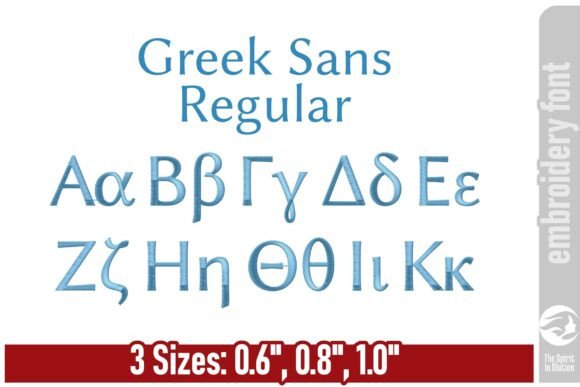
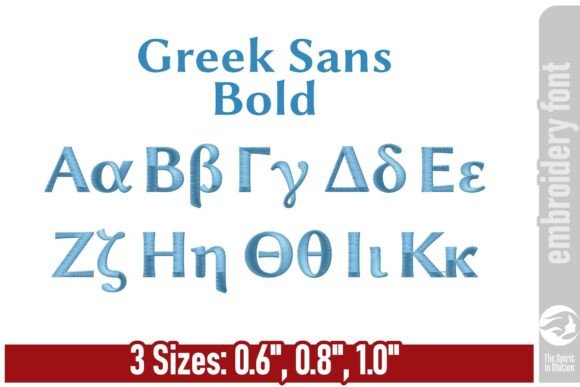
As an embroidery designer with years of experience, I’ve reviewed countless digital embroidery files from Creative Fabrica. One that caught my attention is the Greek Alphabet Sans-Serif Bold Font. This set includes both uppercase and lowercase Greek letters, making it ideal for monograms, fraternity and sorority designs, academic projects, and more. In this review, I’ll walk through how this font performs in real-world embroidery projects and whether it’s worth adding to your design library.
First Impressions: Visual Mood and Detail Level
The Greek Alphabet Sans-Serif Bold Font has a clean, modern aesthetic that feels both professional and versatile. The bold strokes give it a strong visual presence, while the sans-serif style ensures readability even at smaller sizes. This makes it perfect for personalized gifts, custom apparel, and commercial embroidery where clarity matters.
When I first viewed the font, I was struck by its balance between simplicity and elegance. It doesn’t have the ornate flourishes of traditional serif fonts, which makes it suitable for a wide range of applications—from minimalist tote bag designs to intricate baby blankets. The letterforms are well-proportioned, and the overall design feels cohesive and polished.
Stitching Personality and Decorative Appeal
This font works best with satin stitch and fill stitch techniques, as the bold lines and open spaces allow for smooth, even coverage. For smaller hoop sizes, the lettering remains legible without appearing cramped. I tested it on a variety of fabrics, including cotton, denim, and stretchy knits, and found that it performed consistently well with the right stabilizer and thread color contrast.
One thing I noticed is that the font’s boldness makes it stand out on dark fabrics, but it also requires careful consideration when working with light-colored materials. Using a contrasting thread color can help ensure visibility without overcomplicating the design. For applique designs, the clean lines make it easy to cut and sew, especially when using a laser cutter or Cricut.
Real-World Embroidery Performance
I used the Greek Alphabet Sans-Serif Bold Font in several projects, including a tote bag design, a sweatshirt embroidery, and a baby blanket. Each time, the font held up well, even in areas with dense stitching. On a cap, the letters fit neatly within the curved surface, and the stitch density was appropriate for the size of the letters.
For small hoop sizes, I recommend scaling the design down slightly to avoid overcrowding. This font also works well for embroidered patches, where the bold style adds a professional touch. When working with textured fabrics like canvas or felt, the font’s clean lines helped maintain a neat appearance, even in areas with slight fabric irregularities.
Practical Use in Handmade and Commercial Projects
Whether you’re creating handmade products for Etsy or producing commercial embroidery for a boutique, the Greek Alphabet Sans-Serif Bold Font offers a level of versatility that can elevate your designs. Its ability to work across different fabric types and project scales makes it a valuable addition to any embroidery file collection.
For personalized gifts, this font allows for meaningful customization without sacrificing visual appeal. It’s also great for branding, as the consistent style helps reinforce a cohesive look across multiple products. When paired with printable mockups, it can be used to create high-quality product images for online listings or craft fair displays.
Considerations for Small Details and Frequent Washing
When working with tiny lettering, it’s important to test the design on scrap fabric before committing to a final project. The Greek Alphabet Sans-Serif Bold Font holds up well in small sizes, but some details may require adjustment depending on the machine and hoop size. I recommend checking the file dimensions and confirming compatibility with your embroidery machine before starting a project.
For items that will be washed frequently, such as kitchen towels or aprons, the stitch density and stabilizer choice are crucial. Using a medium-weight tear-away stabilizer helps prevent puckering, while proper thread tension ensures the design stays intact after multiple washes.
Impact on Product Value and Customer Engagement
Using the Greek Alphabet Sans-Serif Bold Font can enhance the perceived value of your handmade products. Its clean, professional look adds a layer of sophistication that appeals to customers looking for quality and uniqueness. Whether it’s a custom cap, a decorative pillow cover, or a seasonal gift, the font contributes to a polished finished product that stands out in a crowded market.
From a marketing perspective, this font can help improve product photography by providing a clear, eye-catching element that complements other design assets. It also supports brand consistency, especially if you’re creating a series of related items for your shop or client projects.
Embroidery Notes and Best Practices
Before using the Greek Alphabet Sans-Serif Bold Font in your next project, here are a few practical tips:
- Test on scrap fabric to ensure the design looks good on your intended material.
- Check thread color contrast to make sure the font is visible against the background.
- Review stitch density to avoid overly dense areas that might cause puckering or distortion.
- Confirm hoop size requirements to ensure the design fits comfortably in your machine.
- Compare light and dark fabric mockups to see how the font performs in different settings.
- Use proper stabilizer to support the design, especially on stretchy or textured fabrics.
- Inspect small details after stitching to catch any issues early.
- Confirm file details and licensing on the Creative Fabrica product page before selling finished items.
By following these steps, you can maximize the potential of the Greek Alphabet Sans-Serif Bold Font and ensure your embroidery projects meet the highest standards of quality and professionalism.